Live brief
Council decisions without the fog.
Meeting items can be turned into short explainers: what is being decided, why it matters, cost pressure, risks, and how residents can respond.
 Mobile version
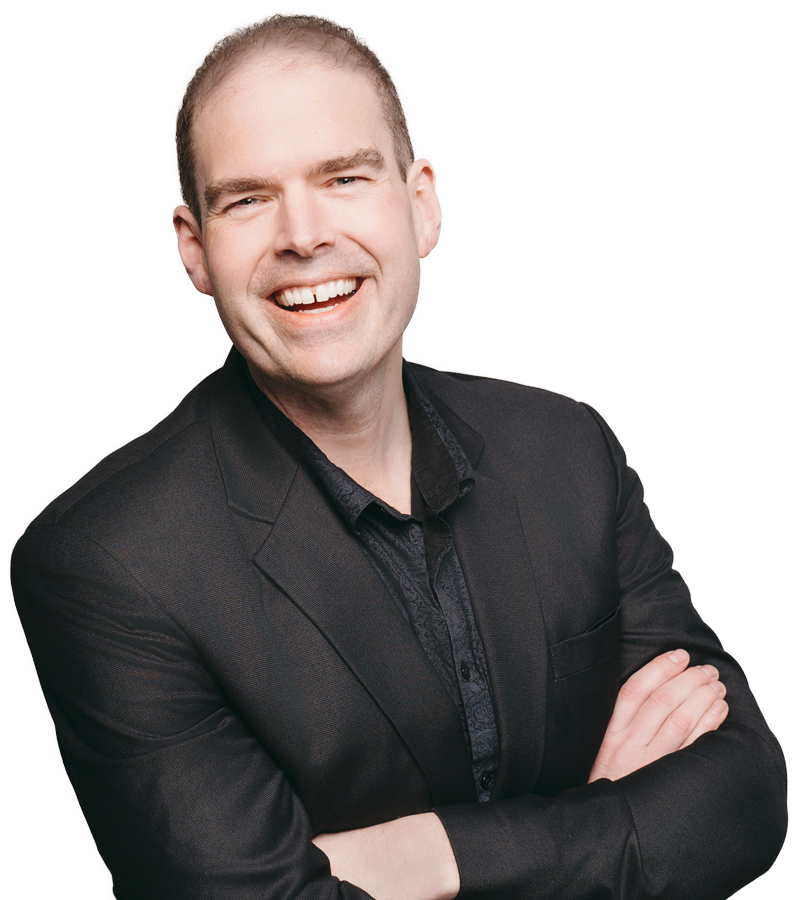
Dunedin City Councillor
Updates, decisions, plain-English explainers, and a direct line into the issues that shape Dunedin's roads, pipes, services, businesses, neighbourhoods, and future.
What this site is for
This site is being built as a public workbench for residents who want council information without having to dig through long agendas, jargon, and scattered updates.
The aim is simple: show what is being worked on, explain decisions in plain English, collect useful feedback, and make it easier for people to raise local issues in a way that can actually be followed up.
Current work
Meeting items can be turned into short explainers: what is being decided, why it matters, cost pressure, risks, and how residents can respond.
Budget, debt, rates, and project tradeoffs presented visually, with source links instead of slogans.
A resident should know whether their issue is a council service request, a policy question, or something to raise at committee.
Work areas
Roads, footpaths, water, drainage, maintenance backlogs, and renewals need clear priorities and public visibility.
Residents should be able to see what drives rates, what tradeoffs are being made, and what outcomes money is meant to buy.
Good governance means showing the evidence, the constraints, the risks, and the reasoning behind a decision.
Small business, local events, trades, community groups, and practical city services all shape whether Dunedin feels workable.
How I can help
Roads, footpaths, water, parks, rubbish, noise, safety, and council services.
Plain-English summaries of agendas, votes, projects, and council processes.
Local business, transport, community spaces, technology, events, and better ways of working.
How I work
A councillor cannot personally fix every pothole or override every process, but they can help residents find the right pathway, ask better questions, and make sure issues are not lost in the system.
Start with what the resident is seeing on the ground, not just what the paperwork says.
Separate service issues, policy choices, budget constraints, and decisions that need formal council process.
Make it clear whether an issue needs a service request, staff response, committee question, submission, or public debate.
Where possible, turn recurring questions into plain-English public updates so others can understand the same issue.
Before you contact me
Include the street or location, when you noticed it, photos if useful, and whether you have already reported it to council.
Tell me what decision, agenda item, consultation, or project you are concerned about and what outcome you want considered.
Describe the practical benefit, who it helps, likely costs or partners, and whether similar ideas are working elsewhere.
Future AI feature
A public assistant could answer from approved council documents, explain what is confirmed versus opinion, and route residents to the right next step.
Plain English
Resident pulse
First quick survey: should Dunedin and surrounding councils explore amalgamation into a unitary authority? This is an informal pulse check, not a formal poll.